
Talk Money Week 2026: Why Financial Literacy Matters More Than Ever
Money influences almost every aspect of our lives, yet many people still find it difficult to talk about their finances, understand investment opportunities or make confident financial decisions. Talk Money Week 2026, taking place from 2 to 6 November under the theme “It All Counts”, is a timely reminder that improving financial wellbeing does not always require major changes. Sometimes, it starts with asking the right questions, understanding the basics and taking small steps towards better financial knowledge.
But financial literacy goes beyond managing everyday expenses. It also means understanding how financial markets work, recognizing investment risks, evaluating opportunities and knowing how different financial instruments fit into broader financial goals.
At Finveo, we believe that knowledge is an important part of the investment journey. Understanding the markets is not simply about following prices or identifying trends. It is about developing the confidence to make informed decisions.
What Is Talk Money Week and Why Does It Matter?
Talk Money Week is an annual initiative organized by the Money and Pensions Service in the United Kingdom. It encourages individuals, families, employers and financial organizations to have more open conversations about money.
The 2026 theme, “It All Counts”, highlights the importance of realistic and manageable financial actions. Whether it is reviewing a household budget, understanding borrowing costs, learning about savings or discussing long-term financial plans, every step can contribute to better financial awareness.
One of the biggest challenges surrounding personal finance is that people often avoid discussing it. Financial matters can feel complicated, uncomfortable or even overwhelming. However, avoiding these conversations can make it harder to recognize financial risks and understand available opportunities.
Creating a stronger relationship with money starts with education, transparency and the willingness to learn.
What Does Financial Literacy Really Mean?
Financial literacy is the ability to understand financial concepts and use that knowledge when making financial decisions.
It involves more than knowing how to save money. A financially literate individual should be able to understand different financial products, evaluate potential risks, recognize the impact of economic developments and plan for both short-term needs and long-term objectives.
Some of the key areas of financial literacy include:
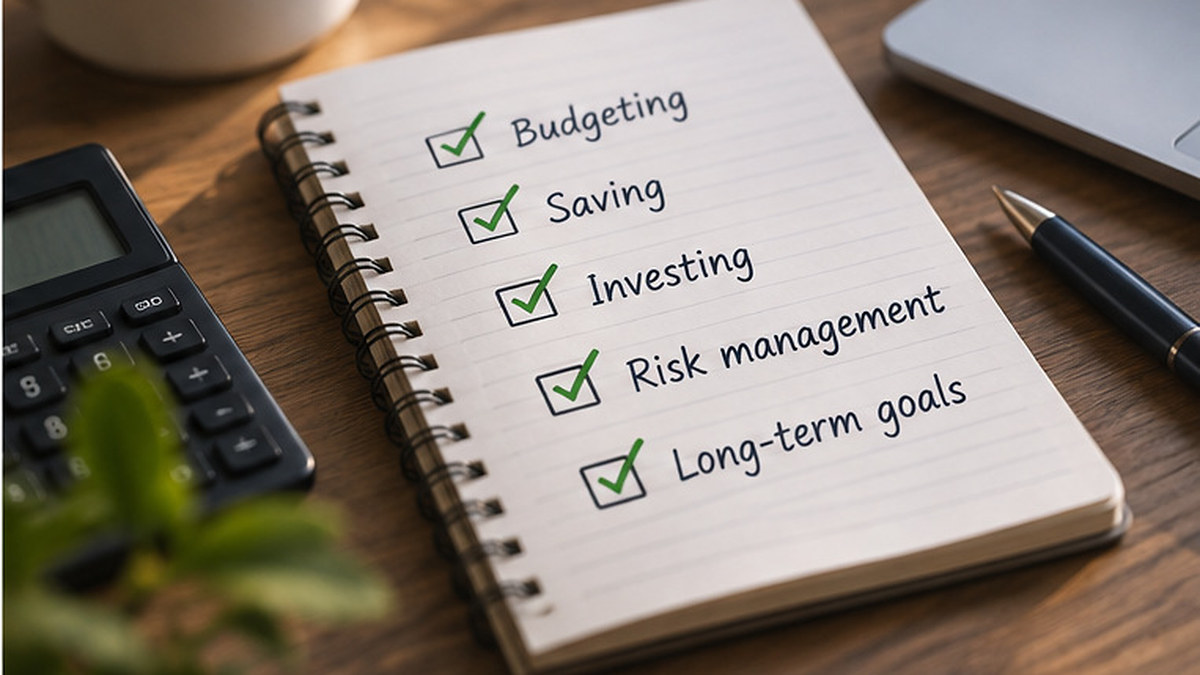
- Budgeting and financial planning
Understanding income, expenses, savings and financial commitments is the foundation of responsible money management. Having a clear overview of personal finances makes it easier to establish priorities and prepare for unexpected expenses. - Understanding savings and investments
Saving and investing are different financial activities. Savings generally provide liquidity and financial reserves, while investing involves allocating capital to assets with the expectation of potential returns. Investments also carry the risk of losing some or all of the capital invested. - Understanding financial markets
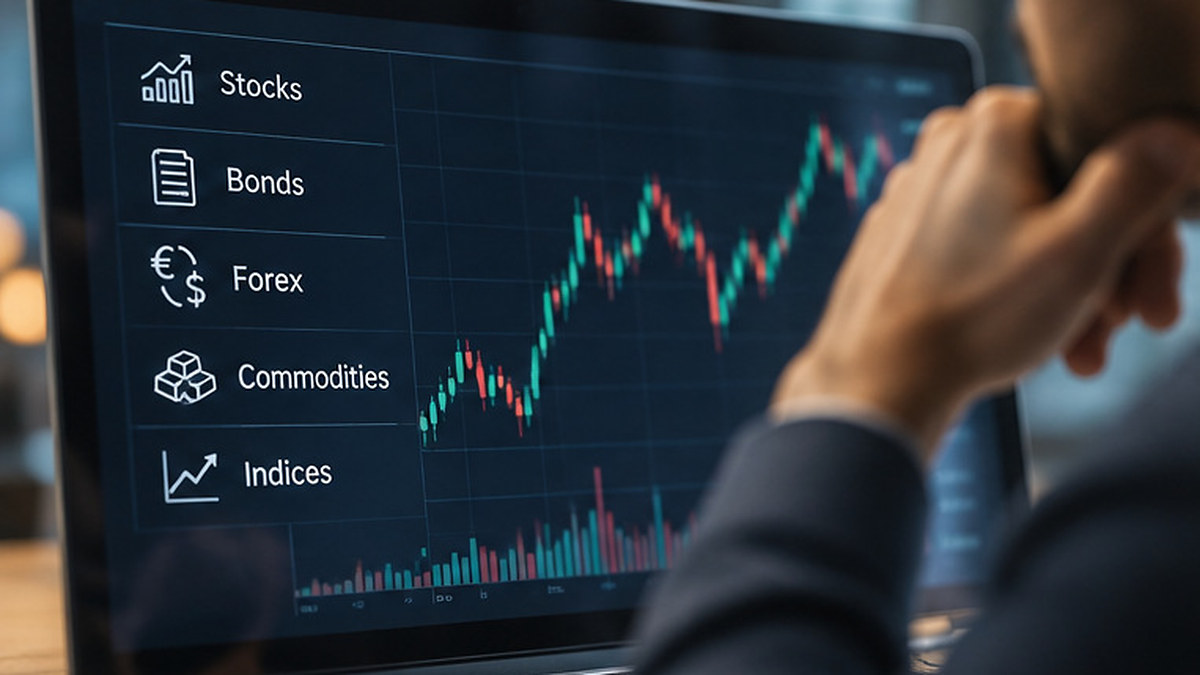
Financial markets connect investors, businesses and institutions. Learning about stocks, bonds, commodities, currencies and indices helps individuals understand how different markets operate and what factors influence their movements. - Recognizing financial risks
Every financial decision involves some level of risk. Understanding volatility, leverage, market exposure and diversification can help individuals evaluate opportunities more carefully. - Making informed decisions
Financial literacy means knowing where to find reliable information, asking questions and avoiding decisions based solely on emotions, market hype or unrealistic promises.
Why Understanding Financial Markets Is Part of Financial Literacy
It involves more than knowing how to save money. A Financial markets are often perceived as complicated or accessible only to professional investors. In reality, understanding their basic principles can benefit anyone interested in the global economy and how financial developments affect everyday life.
For example, changes in interest rates can influence borrowing costs, currency values and bond prices. Inflation can affect purchasing power, while geopolitical developments and changes in supply and demand can influence commodity markets.
Understanding these connections helps individuals look beyond daily headlines and recognise the broader economic factors behind market movements.
Here are some important financial instruments worth understanding:
- Stocks
Stocks represent ownership in a company. Their prices can be influenced by company performance, earnings reports, investor sentiment and broader economic conditions. - Bonds
Bonds are debt instruments through which an issuer borrows money from investors. Their value and yields can be affected by interest rates, inflation expectations and credit risk. - Forex
The foreign exchange market involves trading currency pairs. Exchange rates fluctuate in response to monetary policy, economic indicators, geopolitical developments and market sentiment. - Commodities
Commodities such as gold, silver and oil are influenced by global supply and demand, economic activity, inflation expectations and geopolitical events. Learning how these instruments work provides a foundation for understanding the opportunities and risks associated with financial markets.
Five Practical Ways to Improve Your Financial Literacy
It involves more than knowing how to save money. A financially literate individual should be able to understand different financial products, evaluate potential risks, recognize the impact of economic developments and plan for both short-term needs and long-term objectives.
Here are five practical steps to consider:
- Start by understanding your financial position
Review your income, expenses, savings and financial commitments. Knowing where you stand financially is an important first step towards setting realistic goals. - Learn one financial concept at a time
Instead of trying to understand everything at once, focus on individual topics. Start with interest rates, inflation, stocks or bonds, then gradually explore more advanced financial concepts. - Follow economic news and market developments
Economic calendars, central bank announcements, inflation reports and employment data can provide valuable insight into what influences financial markets. - Understand risk before considering an investment
Before exploring any financial opportunity, learn about its potential risks, costs, liquidity and time horizon. Never assume that past performance guarantees future results. - Use educational resources and explore different
perspectives
Read financial articles, follow market analysis and compare information from reliable sources. The goal is not to predict every market movement, but to develop a better understanding of the factors that influence financial decisions.
How Finveo Supports Financial Education and Market Awareness
As a global multi-asset brokerage brand, Finveo recognizes the importance of accessible market information and continuous financial education.
Understanding financial markets is an ongoing process. Market conditions evolve, economic priorities change and new developments can influence different asset classes. Having access to educational resources and market insights can help individuals build their knowledge and better understand the financial environment.
Finveo supports this learning process through several areas of its offering:

- Market analysis and financial insights
Following market developments is an important part of understanding how financial markets function. Finveo provides market analysis and insights covering relevant economic developments, market trends and major financial events. - Educational content
Financial education starts with accessible explanations of financial concepts. Through informative articles and educational content, Finveo aims to make market-related topics easier to understand and encourage continuous learning. - Access to multiple financial markets
Depending on the applicable Finveo entity and available services, clients can access different financial instruments and markets. These include forex, commodities, indices, stocks and other investment products.
Exploring different asset classes can help individuals understand how financial markets operate and how various instruments respond to economic developments. - Trading platforms and market tools
Access to trading platforms and market information can support a more structured approach to exploring financial markets. Finveo offers MetaTrader platforms, with platform availability depending on the applicable Finveo entity and account offering.
Importantly, access to financial markets should always be accompanied by an understanding of the risks involved. Trading, particularly leveraged trading in CFDs and forex, carries a high level of risk and may not be suitable for every individual.
Finveo believes that informed participation begins with knowledge, realistic expectations and an understanding of risk. - Financial Literacy Is a Long-Term Investment
Talk Money Week reminds us that improving financial wellbeing is not about making one perfect financial decision. It is about building habits, developing knowledge and becoming more comfortable discussing money.
The same principle applies to understanding financial markets. Learning how different instruments work, following economic developments and recognising potential risks are all important steps towards becoming a more informed market participant.
Financial literacy does not guarantee financial success, eliminate investment risks or make market movements predictable. However, it can help individuals approach financial decisions with greater awareness and a clearer understanding of the factors involved.
This Talk Money Week, take one step towards improving your financial knowledge. Ask a question, explore a new financial concept or spend time understanding how the markets work.
Because when it comes to financial knowledge, it all counts.
Trade with knowledge. Trade with Finveo.
Ready to Take the Next Step in Your Financial Journey?
Explore financial markets, follow market insights and continue building your knowledge with Finveo.
Explore Finveo